Rohit Patel, a director at Meta Superintelligence Labs, has left Meta after eight years to start Ndoc, a company he’s pitching as an AI-native replacement for Microsoft Office and Google Workspace, TechCrunch reported on Oct. 27.
Rebecca Bellan, who reported the exclusive, wrote that Patel is the latest in a string of senior departures from Meta. She listed Chief Global Affairs Officer Joel Kaplan, AI researcher Andrew Tulloch and Emily Dalton Smith, Meta’s head of product for AI-for-work.
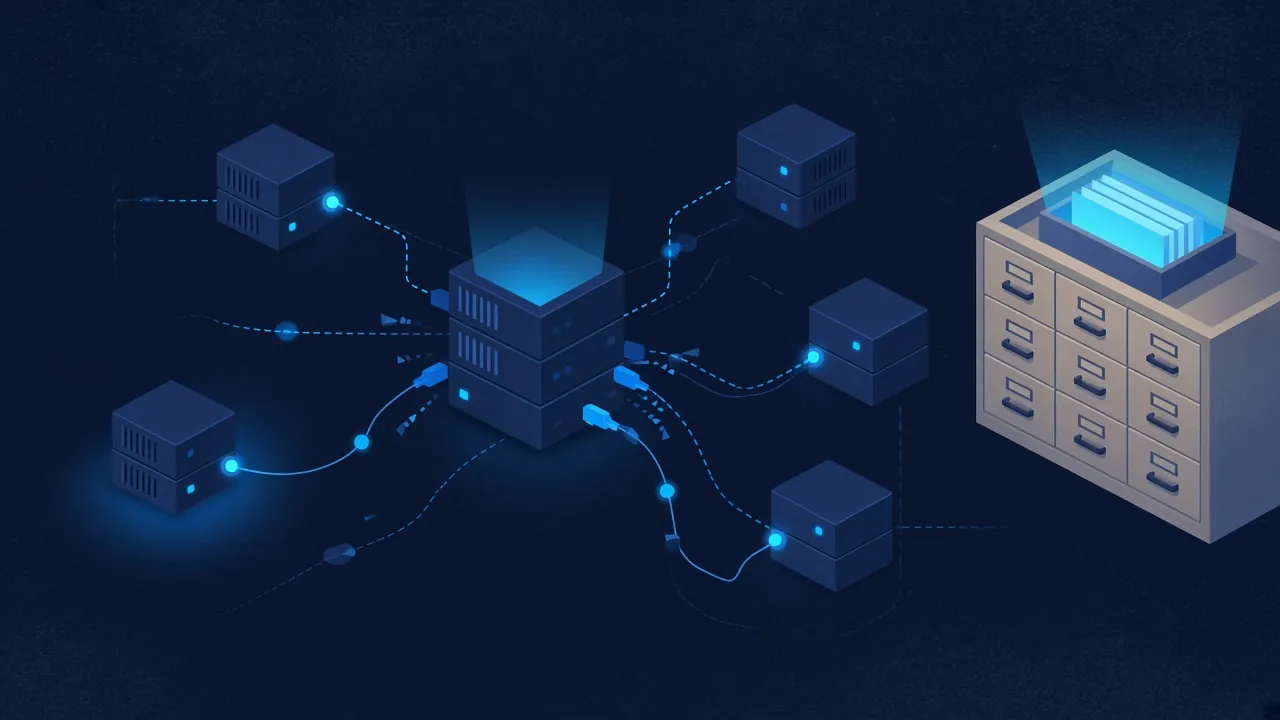
Ndoc aims to replace the scattered way people work across Excel, Word, PowerPoint, Tableau, Replit and what Patel called “ChatGPT copy-paste,” according to TechCrunch. Colleagues can open the shared workspace even if they haven’t signed up.
How it works
Each Ndoc document has three tabs, TechCrunch reported.
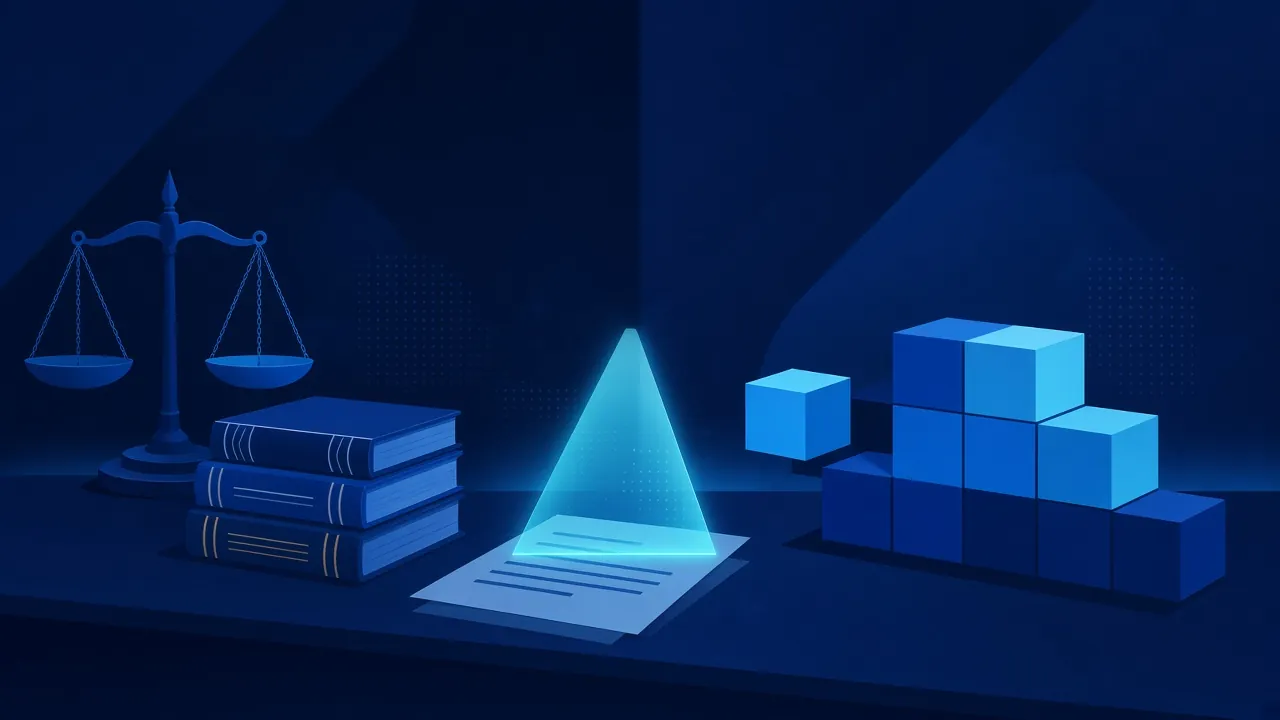
Stage holds the finished output, such as slide decks, dashboards or small apps. Narrative holds the analysis, with numbered citations and generated charts. Model holds the underlying datasets and the Python scripts that produced the results.
The design follows from Patel’s work at Meta, where he focused on reinforcement learning and on checking whether AI output can be trusted. Reinforcement learning is a training method in which a model learns by trial and error toward a reward.
His view is that if AI builds the spreadsheets companies use to make decisions, someone should be able to check its work.
“Even if you don’t know any Python, you can ask [the AI chat] to explain, ‘Hey, what does this script do? Which line has my formula?’ And you can verify that formula,” Patel told TechCrunch. “There’s nothing hidden behind the curtain here.”
Ndoc is built on a mix of fine-tuned open-source models, Patel said, which he says makes it much cheaper to run than tools built on frontier models. Early testers didn’t care much about that. “What people are excited about is that they love seeing all their end-to-end in one place,” he said.
Patel also wants to change the file itself. Ndoc documents export as a single “.ndoc.html” file that opens in any browser, and he plans to open-source the format, according to TechCrunch. He said getting a big company like Meta to agree on an open format would have taken “hundreds of people and opinions.”
The competition
Ndoc has a team of three and no outside funding, TechCrunch reported. Patel said he didn’t want to raise money until he had proof that people love the product.
It’s entering a crowded field. OpenAI launched Space on Sept. 29, a shared workspace inside ChatGPT where teammates and AI agents work on the same pages, files and project knowledge, according to TechCrunch’s coverage at the time and OpenAI’s help documentation. TechCrunch described that launch as something that “feels a whole lot like ChatGPT’s own office suite.”
Patel acknowledged Space could be a threat but said the big labs have the wrong idea. “Companies are basically attaching AI to spreadsheets and it fills your cells for you,” he said. “It just sort of kills my soul.”
He has built connectors so customers can import data from the tools they already use.
As of Oct. 27, Ndoc was running an enterprise pilot and opening an alpha version to a limited number of waitlist sign-ups. It’s free to join, with charges for usage and tokens. Patel told TechCrunch he hopes to release a beta in the coming weeks and plans a full launch next year.
Source: TechCrunch, Rebecca Bellan, “Meta AI director Rohit Patel leaves to take on Microsoft Office and Google Workspace”
Additional sources: TechCrunch, “OpenAI takes on Microsoft with the launch of what feels a whole lot like ChatGPT's own office suite”; OpenAI Help Center, OpenAI, “Getting started with Space in ChatGPT”