Microsoft said on Oct. 28 that developers can now build their own agents on the Microsoft Copilot harness, the software layer that runs Microsoft’s own Copilot agents. It’s available in public preview through Microsoft Foundry, the company’s platform for building AI apps.
Tina Schuchman, corporate vice president for Foundry, and Vladimir Fedorov, GitHub’s chief technology officer, announced it in a post on the Official Microsoft Blog.
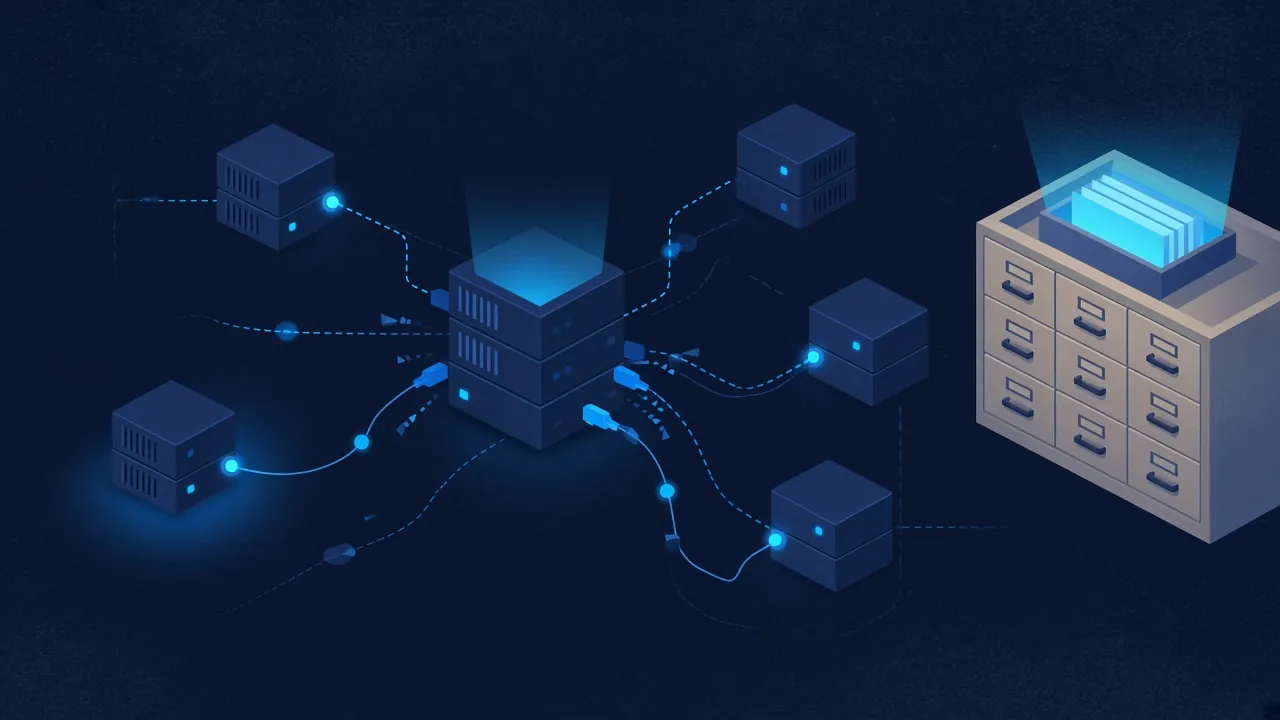
A harness is everything around the AI model. In their words, it’s “the orchestration layer that gives an agent the right instructions, context, execution environment, and controls to accomplish meaningful work.” It decides what the model sees, which tools it can call and where its code runs.
GitHub’s engineers built the harness first for GitHub Copilot. Microsoft has since adopted it across the company, and it now powers Copilot Studio, the GitHub Copilot app, the command-line tool and VS Code, among other products, according to the post. A separate Copilot Studio post said the GitHub Copilot harness had been renamed the Microsoft Copilot harness.
What developers get
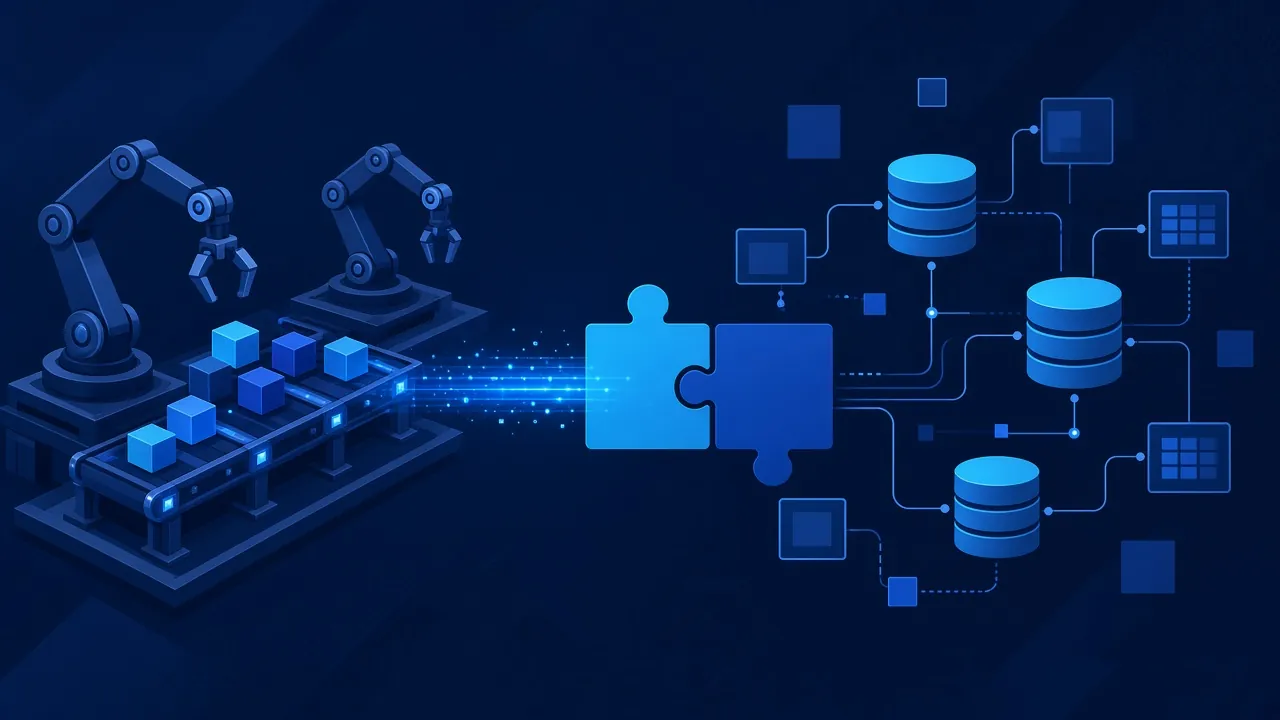
The harness works with more than 20 frontier models, the executives wrote, and customers can also bring their own model keys. It supports MCP, a common standard for connecting agents to tools, along with agent skills and plugins.
In a separate post on the Foundry blog, the team said the preview combines reusable skills, connected tools with configured approvals, the ability to work with files and code and hand bounded jobs to built-in subagents, and agent definitions that can be kept in source control next to app code.
“Microsoft runs the agent loop and sandbox,” Schuchman and Fedorov wrote. Customers bring the instructions, skills, tools and model choice. A sandbox is an isolated space where an agent can run code without touching other systems.
Microsoft says it recently ported the harness runtime to Rust, a programming language known for speed, and that this cut session overhead and the time until the first response. The company also says the harness is tested “at the scale of millions of users.” Those claims come from Microsoft.
The pitch is that teams don’t have to keep their own harness current as models change. “A frontier model today might fall behind tomorrow,” the executives wrote.
The catch
The New Stack’s coverage ran under a headline saying the harness makes agents easy “until you want to switch.” Microsoft’s own Foundry documentation says the harness is chosen when an agent is created and can’t be changed later, so an agent built on it stays on it.
Microsoft says its platforms “remain open and interoperable,” and developers can still bring other harnesses and frameworks to Foundry. The SDK can be downloaded or run as a managed cloud service.
The Foundry blog also announced general availability of long-running resilience for hosted agents, a feature meant to keep long tasks going through interruptions. According to the Foundry team, runtime usage of the harness is free until Dec. 1, 2026, and consumption pricing applies after that.
Microsoft framed the release as part of a plan to standardize every Copilot product on one harness. “Improve the harness, and every surface it touches benefits,” Schuchman and Fedorov wrote.
Source: Official Microsoft Blog, Tina Schuchman & Vladimir Fedorov, “Introducing the Microsoft Copilot harness: Unlocking the potential of truly multi-model agentic work”
Additional sources: Microsoft Foundry Blog, Microsoft Foundry team, “Introducing the Microsoft Copilot harness in Foundry Agent Service”; The New Stack, “Microsoft's new Copilot harness makes agents easy, until you want to switch”; Microsoft Copilot Blog, Microsoft, “The GitHub Copilot harness is now the Microsoft Copilot harness”