SentinelOne introduced Singularity Agentic Detection and Response on Oct. 21, a security product meant to find the AI agents running inside a company, limit what they can do and stop them when they go off course. The cybersecurity company announced it at OneCon 2026, its customer conference in Las Vegas, and said it’s available now in early access.
The product, called ADR for short, borrows its name from EDR, or endpoint detection and response, the category of software that watches laptops and servers for attacks. SentinelOne’s pitch is that agents need the same kind of runtime watch.
Its announcement argues that risk now comes from inside as much as outside. “As recent high profile events have shown, the risk AI agents now carry is as likely to come from a sanctioned agent going off course as from an attacker,” the company wrote. With tools like Claude Code, Codex and Cowork in wide use, “every employee is now an agent manager.”
What it does
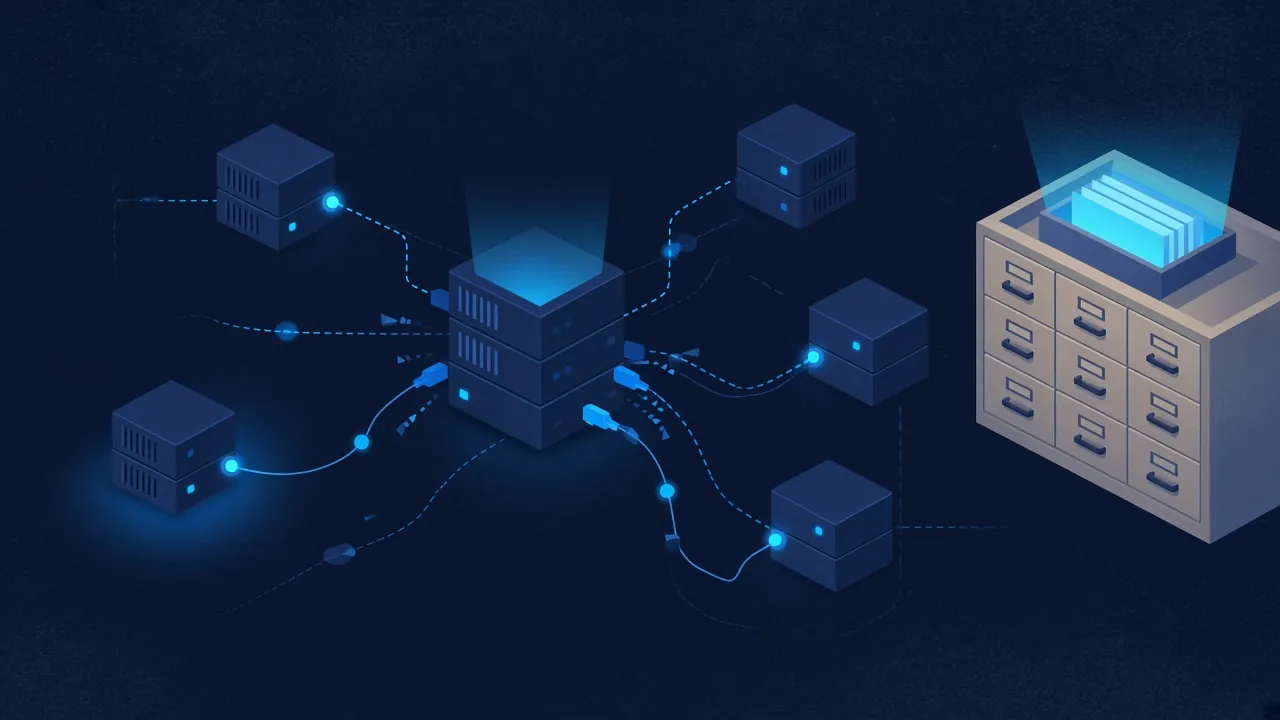
ADR starts with an inventory of every agent, tool, skill, connector and MCP server across a company’s devices, software subscriptions and cloud accounts, whether IT approved them or not, according to SentinelOne. MCP servers are the add-ons that connect agents to outside tools and data. The inventory records each item’s permissions and the employee behind it.
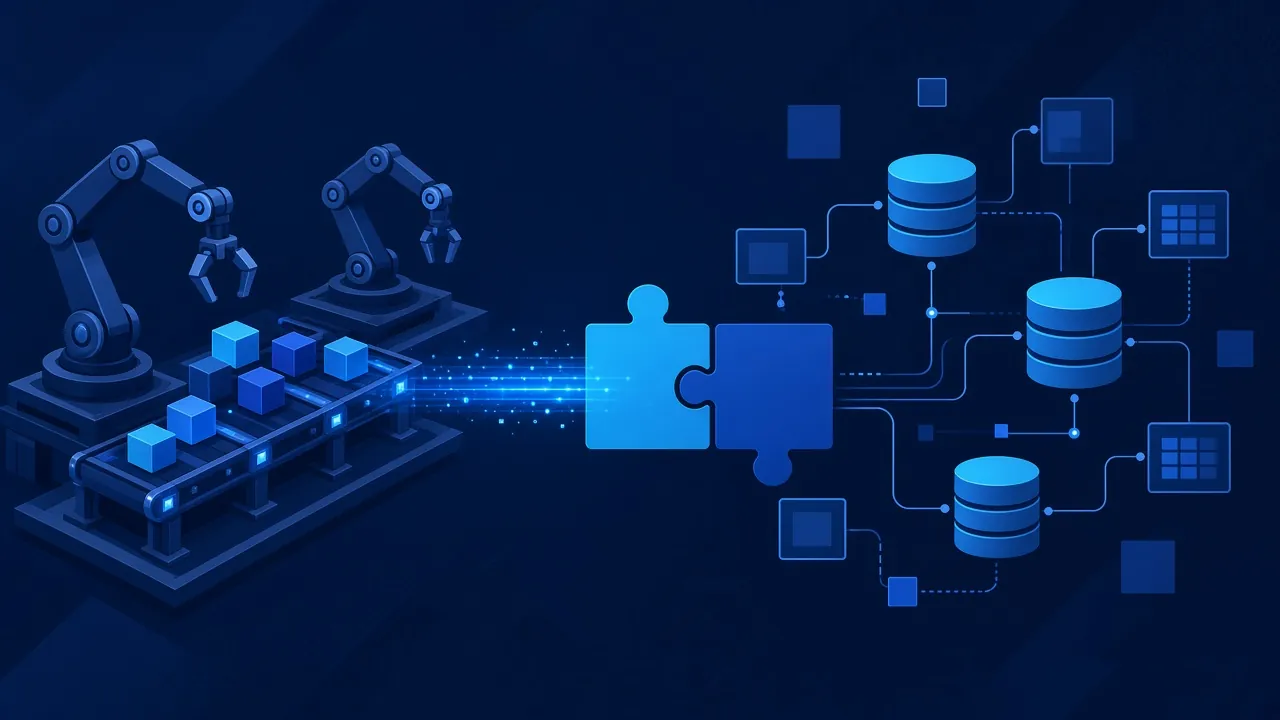
Coverage extends past MCP gateways into agents built on Salesforce Agentforce, Microsoft Copilot Studio, ChatGPT workspace agents and Claude managed agents, the company says.
From there, security teams can set rules for which agents run, who uses them and what they can reach, with approval steps for high-risk tools. SentinelOne says ADR blocks prompt injection, jailbreaks, credential theft and tool poisoning before an action executes. Tool poisoning means tampering with a tool’s description or output to steer an agent.
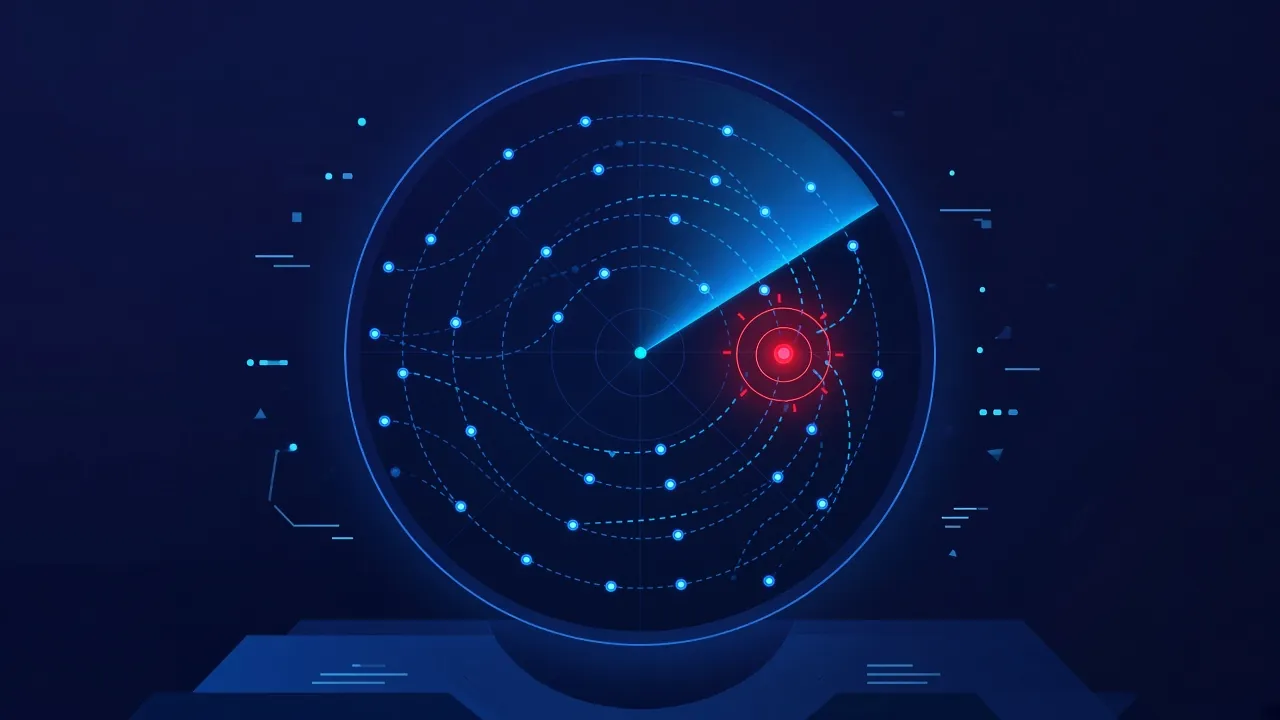
Anything that gets past those rules is judged by the behavioral detections SentinelOne already runs on endpoints and cloud workloads. A feature the company calls intent drift detection flags the gap between what an agent was asked to do and what it actually did. Security staff can stop one agent mid-action while the rest of a workflow keeps running.
ADR also ties agent activity into SentinelOne’s existing attack timeline. The company says analysts can see the full chain in one view, from the user’s request to the AI assistant, the MCP server that supplied a tool and the process that ran next.
The thinking behind it
Chris Corde, SentinelOne’s chief product officer, told CRN that conventional EDR tools can’t see much of what agents do. “Because they sit inside these agent platforms, you can’t actually see them with traditional EDRs,” he said. “If you’re not monitoring that from a security perspective, you’re flying blind.”
Corde said ADR combines technology from SentinelOne’s acquisition of Prompt Security with its endpoint protection, which lets it connect a prompt to the actions that follow. He described the problem this way: “You told an agent to do something, it starts to do things that are not necessarily what you had designed or desired.”
Corde joined SentinelOne in March after serving as senior director of product management for security at Google, CRN reported. In March, SentinelOne also introduced Prompt AI Agent Security for discovering agents and governing their connections.
“Agents hold real credentials and act without waiting for anyone,” said Tomer Weingarten, SentinelOne’s co-founder and CEO, in the announcement. SentinelOne didn’t give a date for general availability or publish pricing.
Source: SentinelOne, “SentinelOne Launches Singularity Agentic Detection and Response to Stop Rogue and Malicious AI Agents at Machine Speed”
Additional sources: CRN, “SentinelOne's Chris Corde On Why Traditional EDR Is 'Flying Blind' On AI Agents”; Digitalisation World, “SentinelOne targets rogue AI agents with new runtime detection tool”